Empowering Lives: A Comprehensive Guide to Nutrition, Lifestyle, and Support for Cancer Patients
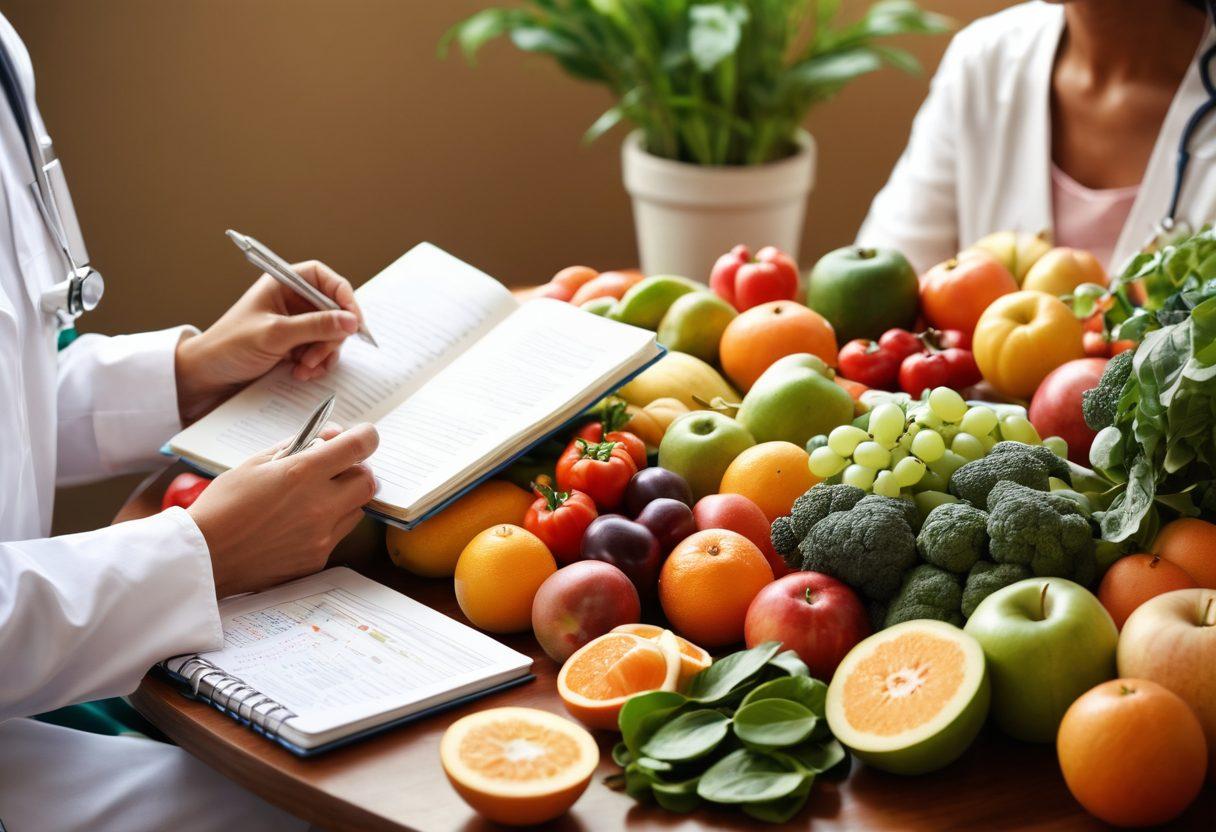
When it comes to living with cancer, nutrition emerges as a powerful ally on the journey toward healing and recovery. Imagine a vibrant rainbow of fruits, vegetables, lean proteins, and whole grains coming together to nourish not only the body but also the spirit of those dealing with the challenges of cancer. Each bite is not just sustenance; it's a reminder that we can take an active role in our healing path. So how can we harness the power of transformative nutrition strategies to support oncology care? Let’s delve into some powerful insights!
To start, we must recognize the significance of tailored nutrition strategies for cancer patients. A diet rich in antioxidants, vitamins, and minerals can help to combat tumor growth and support the body during treatment. This means incorporating vibrant foods like berries, leafy greens, and fatty fish into daily meals. Have you ever considered that what you eat may play a role in your recovery? Studies suggest that nutrition can help alleviate some symptoms and improve the overall patient experience during therapy. Empower yourself with the knowledge that making dietary adjustments can enhance your quality of life as you navigate through this difficult phase.
Furthermore, creating a lifestyle that embraces holistic health can elevate the entire recovery process. This isn’t just about eating well; it encompasses mental, emotional, and social well-being too! Think of the connections you’ve forged within your community—family, friends, and fellow fighters on the cancer journey. They can offer psychosocial support, making it easier to face the ups and downs of treatment options. It's important to reach out and tap into those resources. After all, who among us hasn't felt the uplifting power of a friend’s encouraging words during tough times?
As we explore preventive measures and the benefits of screening, education becomes a critical pillar in empowering patients. By staying informed about clinical trials and emerging therapies, you can make educated decisions about your health. Not only does knowledge fortify your resilience, but it also equips you to advocate for yourself in conversations about your cancer care. What other ways can we cultivate our understanding of cancer awareness and prevention to improve our chances of recovery? It's a question worth exploring and one that can lead to actionable changes in our lives.
Finally, let’s not overlook the importance of caregiving in the cancer journey. Whether you are a patient or a caregiver, the dynamics of support play a pivotal role in living with cancer. Imagine sharing a meal prepared with love or sharing a moment of laughter with a loved one—these experiences become the glue that holds us together during challenging times. So engage with organizations, attend workshops, and foster relationships within the community—all striving for the shared goal of healing and recovery. United, we can face cancer, ready to embrace transformative nutrition strategies and empower our lives.
Navigating Cancer: Lifestyle Choices and Community Support that Empower
In the journey of living with cancer, patients often find themselves at a crossroads, where lifestyle choices and community support can significantly shape their experiences. Imagine standing on this path – one filled with uncertainty while the other offers hope, empowerment, and healing. It’s essential to explore the facets of oncology that revolve around not just treatment options but also the way we approach our daily lives. How can our choices enhance our fight against this disease? How can the community be a cornerstone of our recovery? The answers lie within the holistic health approach that nurtures the mind, body, and spirit, aligning perfectly with patient support systems available today.
Nutrition stands at the forefront of cancer care. Did you know that certain foods can actually aid in therapy and recovery? When it comes to fueling the body while battling a tumor, focusing on a well-balanced diet rich in fruits, vegetables, lean proteins, and whole grains can make a world of difference. Specific nutrients can help mitigate symptoms and reinforce the immune system, which is crucial in this fight. As patients navigate their treatment options, understanding the role of nutrition becomes vital. So, what’s on your plate today? Make each meal a step towards empowering your body for healing and resilience.
Life’s challenges often illuminate the importance of community. As a cancer patient, embracing the journey alongside others can transform feelings of isolation into a vibrant support network. Engaging in community programs, support groups, or even online forums can provide not just resources and education but also invaluable psychosocial support. Remember what Helen Keller once said, 'Alone we can do so little; together we can do so much.' The people around us can be a source of strength, sharing experiences that enhance understanding and foster hope. Are you ready to reach out and build those connections?
Living with cancer often intertwines with the caregiving experience, where loved ones play a critical role in the healing process. Caregivers are often the unsung heroes, providing emotional and practical support throughout treatment, screening, and recovery stages. Educating oneself about the symptoms and needs of the patient can greatly improve communication and care. If you're caregiving for someone fighting cancer, remember to practice self-care, as your wellness directly impacts your ability to support. Facilitate discussions about expectations, needs, and even grief. How can you ensure that you both find joy in the little moments amidst the challenges?
Finally, don’t underestimate the power of education and resources. Whether it’s seeking information on clinical trials, prevention tactics, or alternative therapies, knowledge empowers patients to make informed decisions about their care. Cancer awareness does not just stop at diagnosis; it expands to encompass preventive measures too. Ask questions, explore resources like cancer centers, and keep abreast of the latest findings in oncology. What can you learn today that would give you strength for tomorrow? In this holistic journey, embracing knowledge is crucial to live not just with cancer, but thriving beyond it.
Holistic Approaches to Patient Care: Merging Nutrition, Therapy, and Emotional Well-Being
In the heart of every cancer journey lies a story of resilience, hope, and transformation. Picture a patient navigating through the murky waters of diagnosis, treatment options, and the complexities of care. What if the key to not just surviving, but thriving during this journey resides at the intersection of nutrition, therapy, and emotional well-being? As we delve into holistic approaches to patient care, we’ll explore how merging these components can enhance the quality of life for those living with cancer, enabling them to embrace a more vibrant and hopeful existence.
When we talk about oncology, often our focus zooms in on the medical treatments—the clinical trials, the screenings for early symptoms, or the various therapy options. However, what if we broaden our lens to include nutrition? Research indicates that a diet rich in whole foods, fruits, and vegetables can bolster the immune system and aid in recovery. Consider this: Can the right nutrition be a potent form of medicine in itself? A well-planned dietary approach may not only alleviate treatment side effects but also fortify the body’s own healing powers, transforming the patient’s experience into one of empowerment rather than merely endurance.
Yet, physical nutrition is just one part of the equation. How do we address the emotional tapestry woven into the journey of caregiving? Psychosocial support plays a crucial role in overall health, with studies showing that patients who engage in support groups are often more resilient. Sharing experiences and fears can foster a sense of community, creating bonds that sustain hope in the darkest hours. So, let’s ask ourselves, how can we weave a fabric of emotional support that complements the physical aspects of care? It’s essential to acknowledge the feelings of isolation many patients experience and normalize these emotions through connection and understanding.
Moreover, the importance of lifestyle changes cannot be overstated. Simple acts—like incorporating daily exercise or practicing mindfulness—can significantly enhance well-being. Engaging in physical activity can help alleviate treatment-related fatigue and improve mood, leading to a healthier mind-body connection. How about introducing a small daily practice of gratitude or mindfulness? These little habits can trigger a chain reaction of positive change, fostering healing and resilience in the face of cancer. By prioritizing holistic health, patients take ownership of their journey, becoming active participants in their healing.
Lastly, education remains an invaluable resource. Information about nutrition, therapeutic options, prevention strategies, and community resources empowers patients and caregivers to make informed decisions. Webinars, workshops, and informational resources can bridge the gap in cancer awareness, equipping families with the knowledge they need to support their loved ones. As we embrace a holistic approach, let us champion the idea that cancer care goes beyond just battling tumors; it encompasses nurturing the entire individual—physical, emotional, and spiritual. The journey of living with cancer is not one to travel alone but as a community united in hope and healing.